


Do Hair Thickening Fibres Clog Follicles? A Safe-Use Guide
Table of Contents
- Do Hair Thickening Fibres Clog Follicles? The Short Answer
- How Hair Fibres Interact With Hair Follicles
- Are Hair Fibres Safe for Daily Use
- How to Remove Hair Fibres From Scalp Properly
- Hair Fibres for Sensitive Scalp: What You Need to Know
- Common Misconceptions About Hair Fibres and Hair Loss
- Frequently Asked Questions
Last Updated: October 11, 2026
Do Hair Thickening Fibres Clog Follicles? The Short Answer
Hair thickening fibres do not clog hair follicles. At BOOST N BLEND™, we've spent years talking about the importance of using natural cotton fibres to ensure your product is genuinely safe for everyday use.

When you use quality cotton fibres designed specifically for hair, they cling to the hair shaft itself, not to the scalp. They sit on top of your existing hair, making each strand appear thicker without interfering with hair growth or scalp health.
How Hair Fibres Interact With Hair Follicles
Hair fibres work through a simple adhesion process, gripping the hair shaft using a slightly electrostatic charge. The fibres themselves never enter the follicle or penetrate the scalp.
The Difference Between Follicle Blockage and Pore Congestion
Follicle blockage occurs when debris enters the follicle opening, preventing hair growth. Pore congestion happens when product buildup traps oil and bacteria on the skin surface. Hair fibres cause neither when used correctly, they're too large to enter follicles and wash away completely with water and gentle shampoo. A heavy scalp feeling is usually residue from improper removal, not actual blockage.
Why Cotton Fibres Don't Clog: Material and Binder Considerations
Cotton is a natural, inert material. It has no chemical affinity for your scalp or follicles. Unlike some keratin-based fibres that can leave sticky residue, cotton simply clings to the hair shaft and releases when you wash. According to research on natural textile properties, cotton's non-reactive nature makes it ideal for products applied directly to sensitive skin.
Fibres are designed larger than the follicle opening to stay on the hair shaft. Combined with a water-soluble binder and proper removal, the risk of follicle or pore blockage is negligible.
What Evidence Actually Shows
Safety claims rest on the physical properties of materials (cotton's inertness, fibre size relative to follicle diameter). The TGA classifies hair fibres as cosmetics, requiring safety for intended use but not the same evidence as hair-loss treatments. There is no established evidence that properly-removed cotton fibres cause permanent follicle damage or accelerate hair loss. For a cosmetic product used topically and removed daily, the risk profile is low.
Are Hair Fibres Safe for Daily Use
Hair fibres are safe for daily use and can be left on the hair for up to several days. Unlike treatments that build up over weeks, fibres work instantly, making them ideal for women managing postpartum hair loss, menopause-related thinning, or androgenic alopecia who need immediate confidence restoration.
What the Evidence Shows
The safety profile of hair fibres comes down to their physical properties and removal practices. Cotton fibres don't absorb into skin and don't interfere with hair growth cycles.
Scalp Irritation and Sensitivity Concerns
Scalp irritation is rare with quality products. Most cases trace to improper removal or sensitivity to binding spray ingredients. If you experience itching or redness, it usually indicates residue from incomplete cleansing, not a product safety issue.
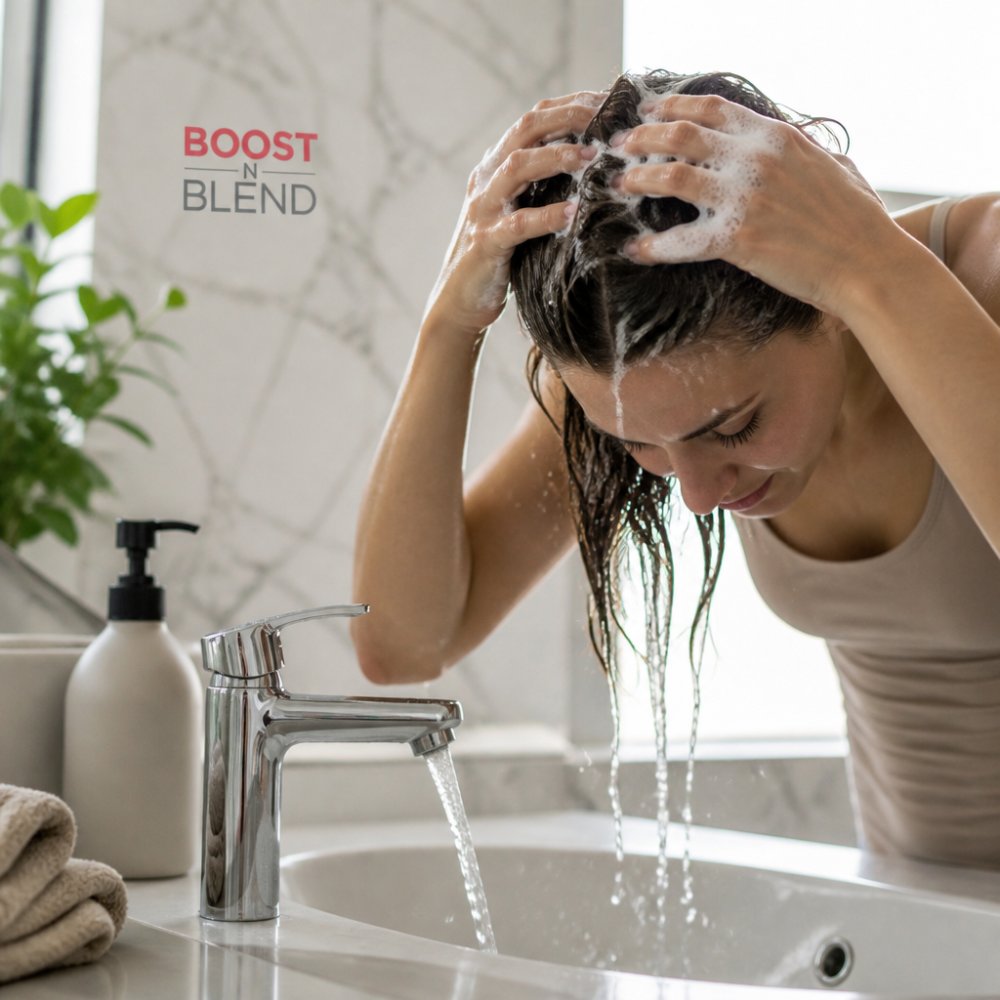
How to Remove Hair Fibres From Scalp Properly
Proper removal is the single most important factor in safe daily use.
Step-by-Step Removal Process
Step 1: Rinse with water first. Use lukewarm water and gently run your fingers through your hair to remove about 70% of loose fibres.
Step 2: Apply gentle shampoo. Use gentle shampoo. Work into a lather on your scalp and fibre application areas, massaging gently with fingertips.
Step 3: Rinse thoroughly. Rinse with lukewarm water until water runs completely clear.
Step 4: Repeat if necessary. Do a second gentle shampoo and rinse cycle.
Step 5: Condition lightly. Use lightweight conditioner on hair from scalp to tip of the hair. Don’t be afraid to condition the scalp.
Hair Fibres for Sensitive Scalp: What You Need to Know
If you have a sensitive scalp, hair fibres can still be safe. Choose the right product, introduce it gradually, and monitor closely.
Who Should Use Extra Caution
Certain groups should approach hair fibres with particular care:
People with diagnosed scalp conditions (seborrheic dermatitis, psoriasis, eczema, folliculitis): Consult a dermatologist before use.
People with open or irritated skin: Wait until scratches, cuts, sunburn, or acne are fully healed.
People who have recently had scalp procedures: Wait 4-6 weeks after hair transplants, scalp micropigmentation, or chemical treatments.
People with known sensitivities: Research binder spray ingredients carefully if you've reacted to fragrances, preservatives, or polymers.
Ingredient Considerations for Sensitive Skin
Look for natural, vegan-friendly formulations using pure cotton fibres without animal-derived keratin. Cotton is hypoallergenic and unlikely to cause reactions.
Warning Signs: When to Stop Use and Seek Care
Not all scalp discomfort is normal. Stop using fibres immediately and consult a dermatologist if you experience:
Persistent itching that doesn't resolve after thorough cleansing and continues for more than 24 hours after removal.
Redness or inflammation that spreads beyond the application area or doesn't fade within a few hours of cleansing.
Painful bumps, pustules, or nodules on the scalp. These may indicate folliculitis (bacterial infection of hair follicles) or contact dermatitis and require professional assessment.
Burning or stinging sensation that occurs during or immediately after application, even with gentle handling.
Flaking, scaling, or weeping from the scalp, which may indicate an allergic reaction or infection.
These warning signs suggest either a true allergy to a fibre or binder ingredient, a scalp infection triggered by buildup or irritation, or an underlying condition that fibres are exacerbating. A dermatologist can identify the cause and recommend safe alternatives or treatments.
Common Misconceptions About Hair Fibres and Hair Loss
Several myths persist about hair fibres causing or worsening hair loss. Understanding the facts helps you make confident decisions about daily use.
Misconception 1: Hair fibres pull out existing hair and cause breakage. Reality: Quality fibres grip the hair shaft gently. They don't pull or stress hair. Hair loss concerns usually stem from other hair styling techniques, not the fibres themselves.
Misconception 2: Daily use accelerates hair loss. Reality: Hair fibres are a cosmetic concealer, not a treatment. They don't interact with your hair growth cycle. Using them daily doesn't affect shedding or thinning.
Misconception 3: Fibres prevent new hair from growing. Reality: Fibres sit on top of existing hair. They don't enter follicles or interfere with hair growth. New hair grows normally underneath.
Misconception 4: Buildup from fibres causes permanent scalp damage. Reality: Buildup is temporary and completely reversible with proper cleansing. It doesn't cause lasting damage to your scalp or follicles.
These misconceptions often stem from confusion between cosmetic products and medical treatments. Hair fibres are cosmetic, they create appearance, not biological change. This is precisely why they're safe for daily use. According to cosmetic product safety guidelines from the Australian Therapeutic Goods Administration, cosmetic products designed for daily use undergo rigorous safety testing before reaching consumers.
The real concern should be ensuring you're using a quality product designed specifically for hair and removing it properly each day. When you do both, hair fibres are genuinely safe for women of any age managing thinning hair.
Women experiencing thinning hair often worry that adding anything to their scalp will make things worse. The opposite is true when you use the right product. BOOST N BLEND™ hair fibres are specifically formulated to be safe for daily use, featuring natural cotton fibres that don't clog follicles. Instant thickness, complete removal, and genuine scalp safety work together. Shop BOOST N BLEND™ hair fibres and restore your confidence without compromising your scalp health.
Frequently Asked Questions
Do hair thickening fibres clog follicles if used daily?
No. Hair thickening fibres, particularly cotton-based ones, cling to the hair shaft rather than entering or blocking follicles. Daily use does not clog follicles. The key is consistent, gentle removal to prevent residue buildup on the scalp. Cotton fibres are designed to wash out easily with regular shampoo and water, making them safe for everyday application.
Are hair fibres safe for daily use on sensitive scalps?
Cotton-based hair fibres are generally safe for sensitive scalps when properly applied and removed. However, if you have existing scalp conditions or sensitivity, patch test first on a small section behind the ear. Choose vegan formulations like Boost N Blend. Ensure thorough daily cleansing with gentle shampoo like our Boost & Be Shampoo to prevent irritation. If itching, redness, or bumps develop, discontinue use and allow your scalp to recover for a few days before reintroducing the product.
How do I remove hair fibres from my scalp completely?
Rinse thoroughly with lukewarm water, then shampoo with a gentle cleanser, massaging the scalp gently. Repeat the shampoo cycle to ensure all fibres are removed. Condition as normal. Avoid scratching or aggressive rubbing, which can irritate the scalp.
Can hair fibres cause hair loss or damage to hair strands?
Cotton-based hair fibres do not cause hair loss or damage when used correctly. They cling to the outside of the hair shaft, making strands appear thicker without penetrating or weakening them. Damage risk increases only if fibres are left on too long without removal, creating buildup that can irritate the scalp, or if harsh removal techniques are used. Proper regular cleansing and gentle application protect both hair and scalp health. The fibres wash out completely, leaving no lasting residue.


